
The Nicoya Peninsula is routinely sold as a place where moving abroad will make you healthier, happier and longer-lived. It is a powerful story. It is also too simple, and a real-estate company should be especially careful with it.
There is real demographic research behind Nicoya’s reputation. Older men in a defined part of the peninsula showed unusually low adult mortality, especially in cohorts born before 1930. Researchers examined communities in five Guanacaste cantons—not every place carrying the Nicoya Peninsula name.
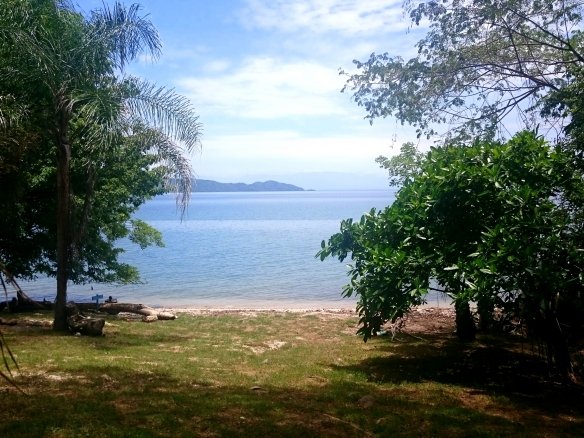
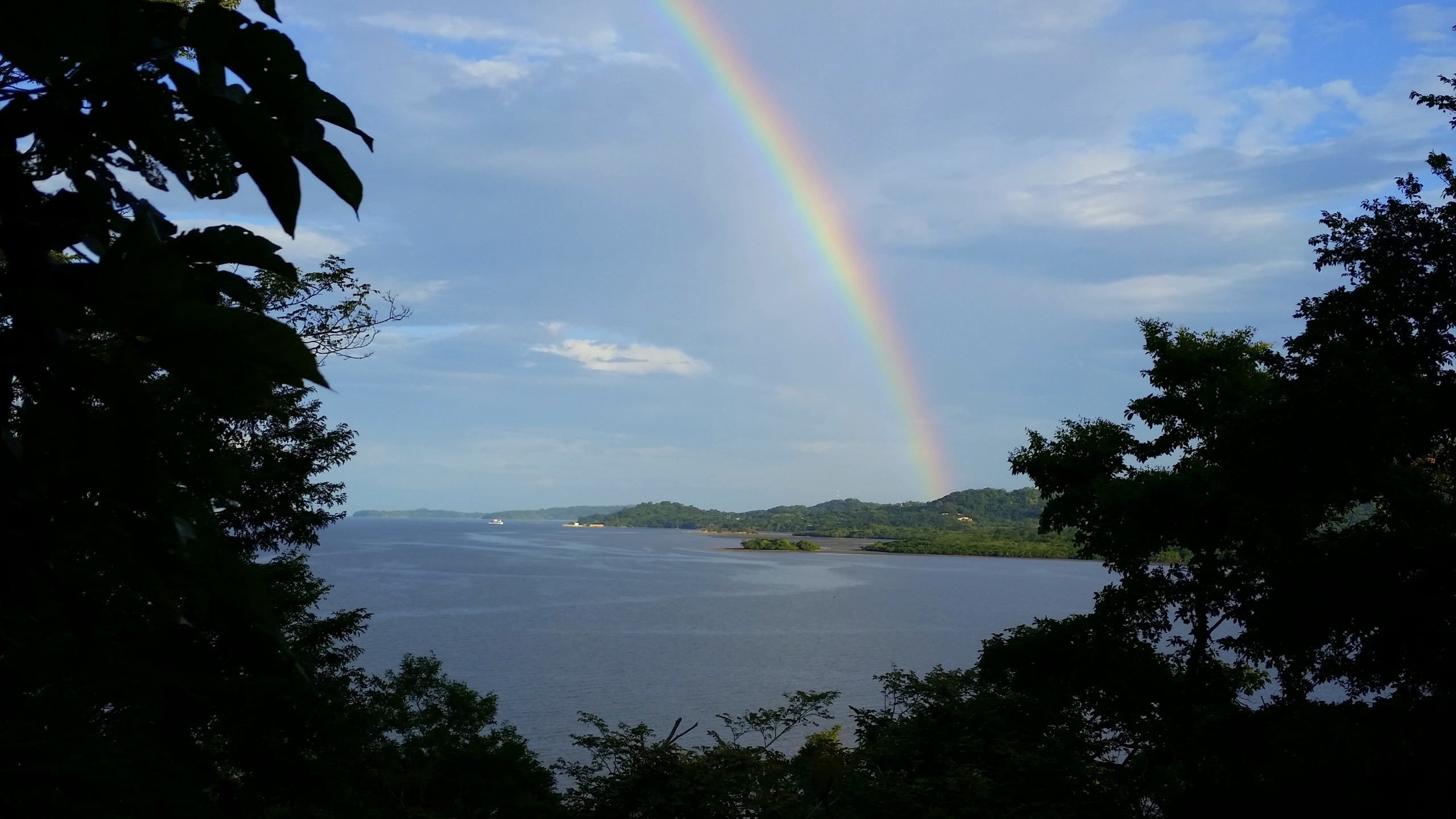
Lepanto is a useful example of why wording matters. It is on the southern Nicoya Peninsula, but it belongs administratively to Puntarenas canton and province. We sell land there. We do not describe that land as being “inside the Blue Zone,” because the evidence does not support that claim.
The research has changed
A 2023 peer-reviewed study by Costa Rican demographer Luis Rosero-Bixby found that Nicoya’s longevity advantage is disappearing in later birth cohorts. The remaining geographic hotspot had contracted to a smaller southern area around the corridor from Hojancha to Sámara. The exceptional longevity of surviving people born before 1930 remains important; it is not a guarantee attached to a postcode or a property deed.
That is not a reason to dismiss what older Nicoyans can teach. It is a reason to stop turning their lives into a wellness amenity. Family ties, everyday movement, food, work and social connection belong to communities and economic conditions. They are not features a buyer acquires at closing.
Buying into a place changes it
Foreign demand can support local businesses and bring investment. It can also raise land and housing costs, increase pressure on water and reshape a town around people with much greater purchasing power. Research and public debate in Costa Rica document those concerns particularly strongly in Guanacaste.
No individual buyer controls a regional market, but each buyer can choose how to arrive:
- learn whether a home is replacing long-term housing;
- verify water and legal access instead of assuming money will solve them;
- hire and buy locally where practical;
- learn Spanish rather than expecting every interaction to adapt;
- respect public access, protected land and community water decisions; and
- avoid repeating claims that turn local people into scenery for a lifestyle brand.
What is still worth valuing
The peninsula’s rural communities, working land and strong local histories are real. So are the pressures created when outsiders market those qualities as a scarce product. Both facts can be true at once.
If you are considering the Gulf side around Lepanto or Playa Naranjo, read our area guide. It explains the roads, services and land questions without claiming that a purchase comes with longevity. Our buying land guide starts with the documents and water position a buyer should verify before travelling.